We start with coarse diamond grinding pads that cut through old coatings, stains, and damaged surface layers. This is aggressive work that removes material and levels the floor. For terrazzo, this is where we start exposing those embedded chips of marble or glass.
Moving to finer grits, we continue refining the surface. Each pass removes the scratches from the previous grit while smoothing things further. Around the 200-400 grit stage, we apply a chemical hardener that soaks into the concrete, filling pores and creating a reaction that makes the surface significantly harder.
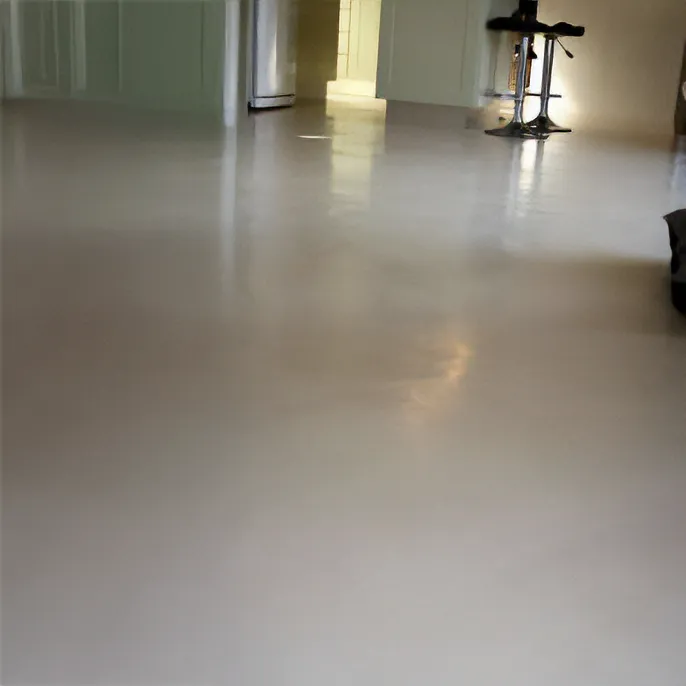
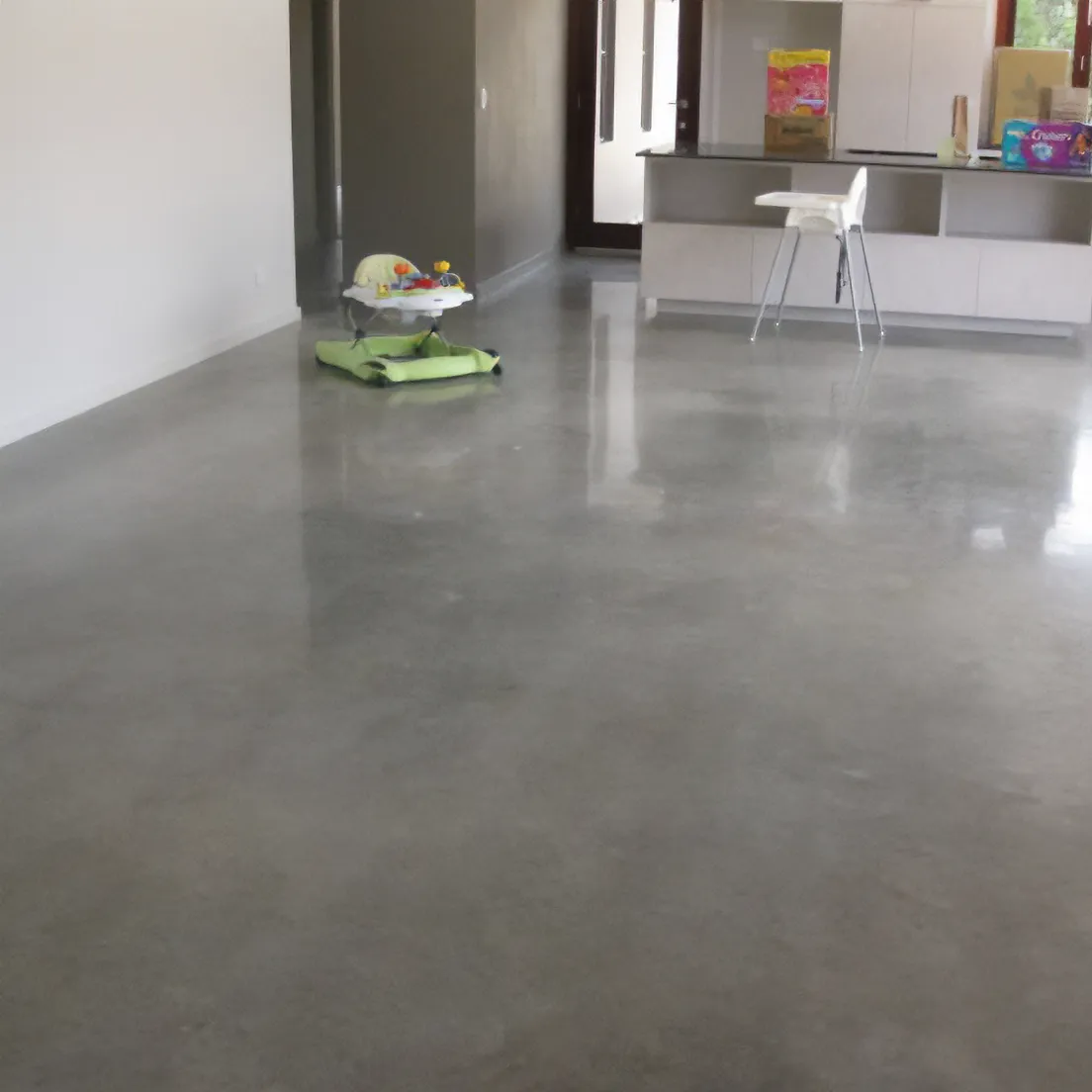
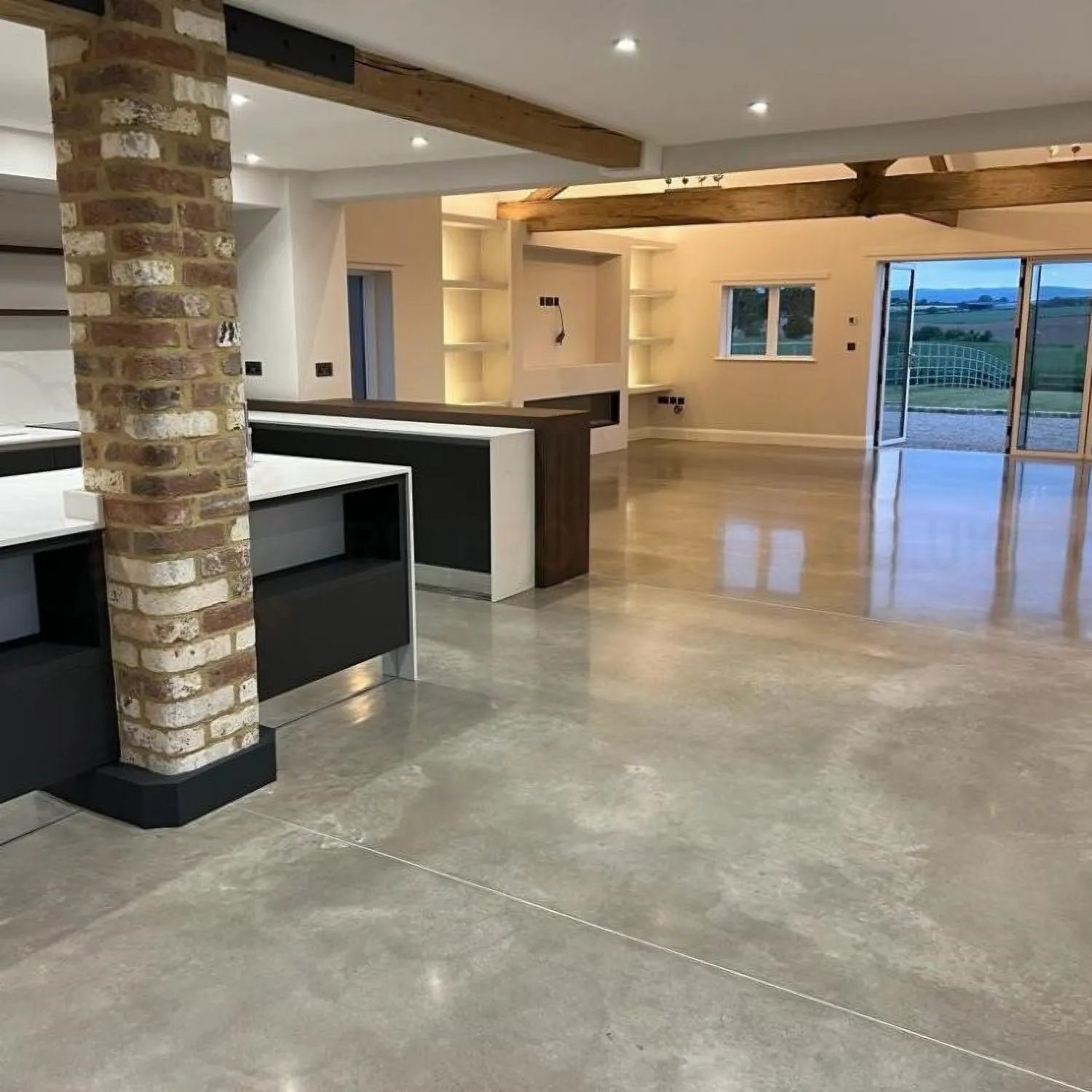
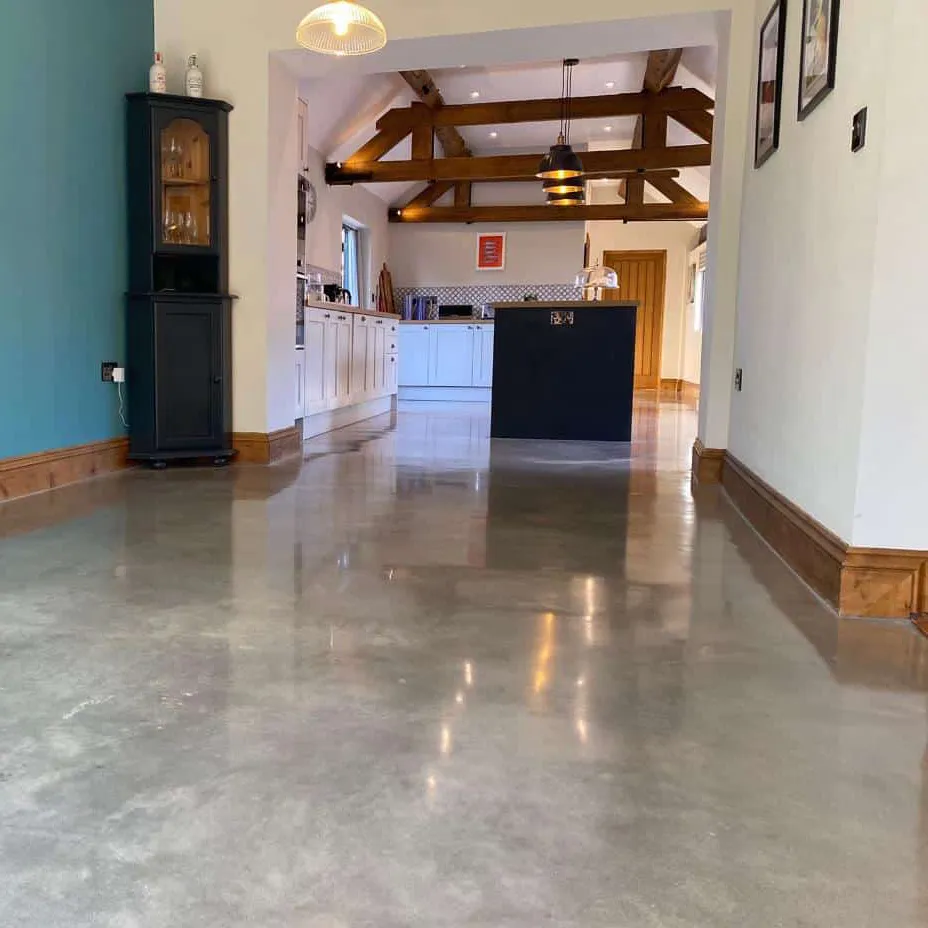
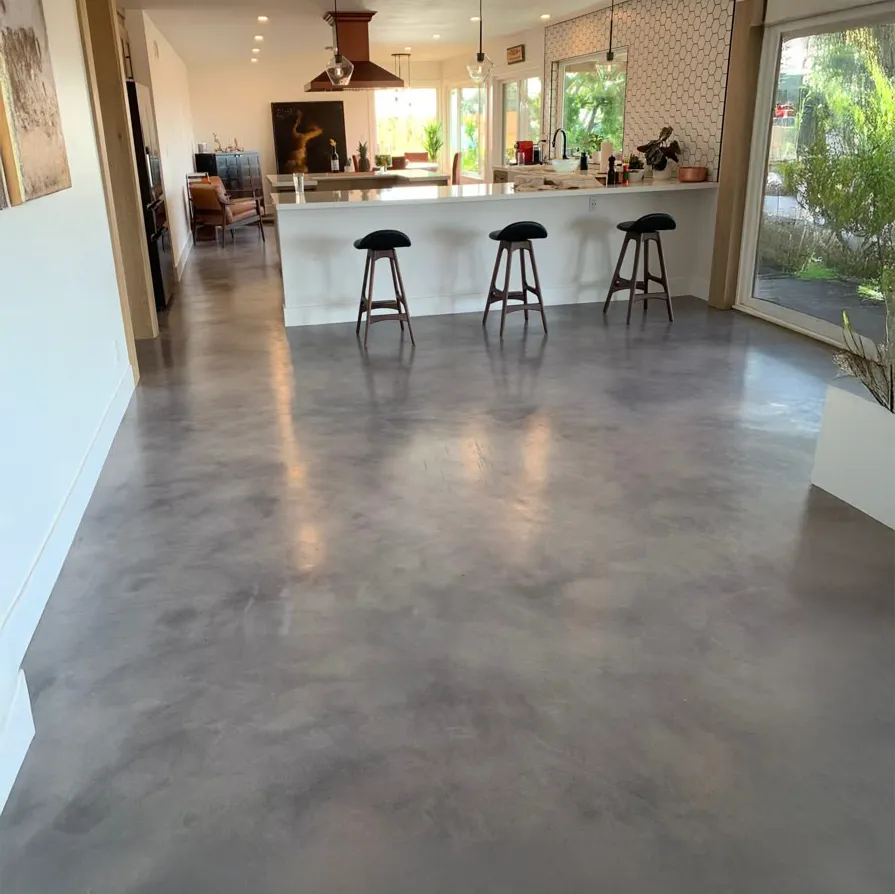
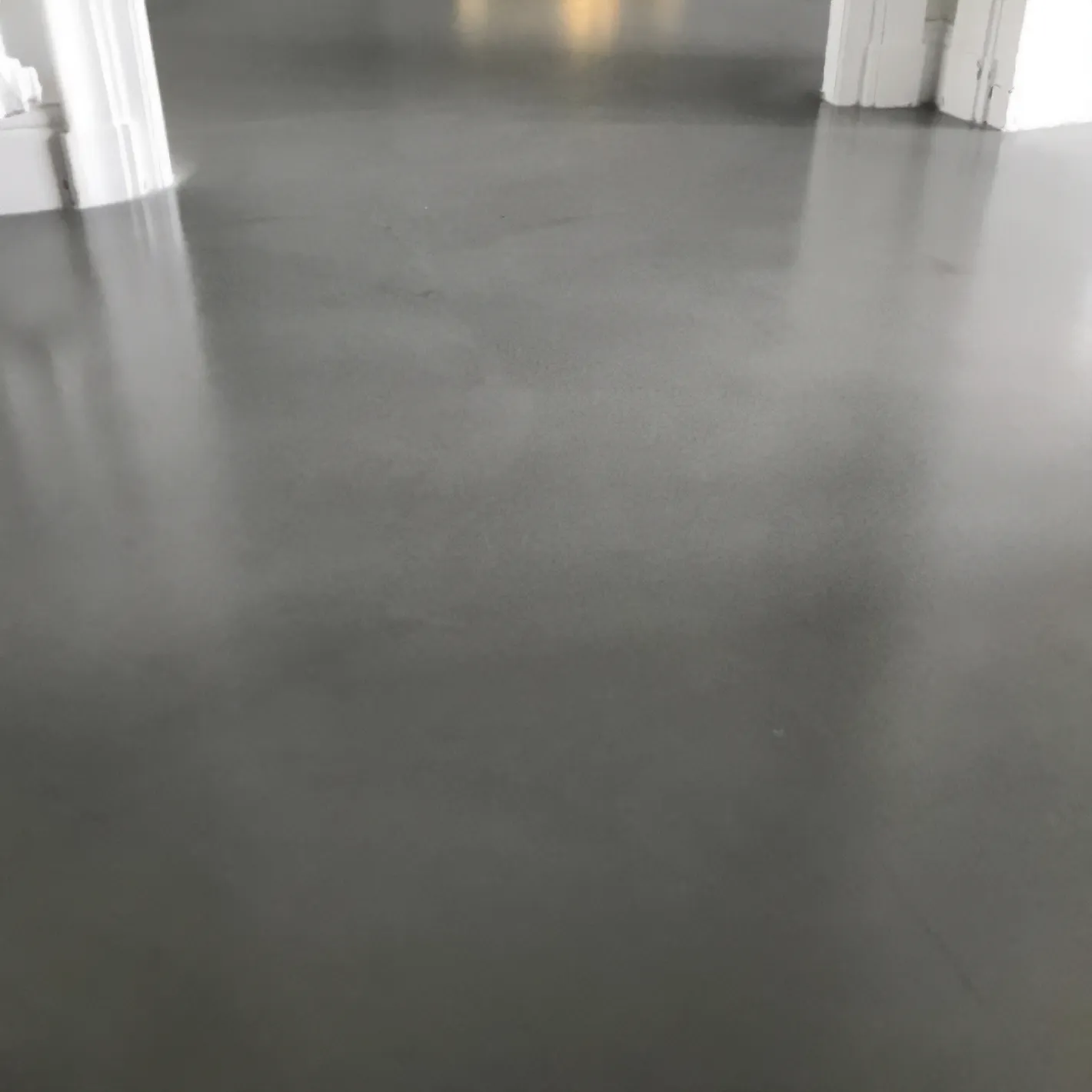
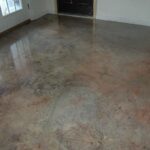
The final polishing stages use ultra-fine diamond pads to create the shine you want. We can stop at 800 grit for a soft matte finish, push to 1500 for a nice semi-gloss, or go all the way to 3000+ grit for that mirror-like shiny concrete floor effect. Your choice depends on the space and how formal you want it to look.
Why This Makes Sense for Sri Lankan Properties
Humidity destroys a lot of flooring materials in Sri Lanka. Wood warps, carpet molds, and even some tiles can have problems. Polished concrete and terrazzo don’t care about moisture. The densification process we use actually makes the surface more resistant to water penetration.
Maintenance costs matter over the long term. We’ve worked with facility managers running shopping malls and office buildings who were spending significant money on floor maintenance annually. After switching to concrete polish, their costs dropped dramatically. Regular sweeping and occasional damp mopping is basically it.
The durability is real. We polished a warehouse floor in Ja-Ela seven years ago that sees constant forklift traffic, and it still looks great. The surface is actually harder than the original concrete, so it resists wear that would destroy other flooring types.
Where Polished Concrete Works Best
Residential projects have increased a lot recently. Modern homeowners in Colombo and suburbs like the clean, contemporary look of polished cement floors in living areas, bedrooms, and even kitchens. It works particularly well for open-plan homes where you want continuous flooring throughout.
Commercial offices appreciate the professional appearance and low maintenance. We’ve completed several multi-story office buildings where durability and aesthetics both mattered. The light reflectivity of polished concrete actually helps reduce lighting costs in large open spaces.
Retail stores and showrooms use it to create a modern backdrop that doesn’t compete with merchandise. The smooth surface is easy on the feet for staff working long shifts, and it handles cart traffic and customer flow without showing wear.
Hotels and restaurants with heritage terrazzo often contact us for restoration. These buildings have architectural character that shouldn’t be covered up. Bringing the original concrete terrazzo back to life preserves that history while giving them a beautiful floor that meets modern standards.
Industrial and warehouse applications focus on the practical benefits. The sealed surface doesn’t dust, which matters for food processing, electronics assembly, or anywhere clean conditions are important. It’s also easier to clean up oil spills and other industrial contaminants.
Customization Options
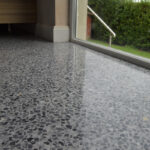
For terrazzo, we can expose just a hint of the aggregate for a subtle salt-and-pepper look, or grind deeper to show larger stone pieces and create more visual interest. The exposure level changes the entire character of the floor.
Concrete polishing offers options too. We can add color with acid stains that react with the concrete to create earth tones and variation. Saw-cut patterns, scoring designs, and even logo integration are possible. Some clients want a completely smooth look, while others prefer to keep some of the concrete’s natural character visible.
The final sheen level makes a big difference. Matte finishes around 400-800 grit work well in areas where slip resistance matters. Semi-gloss at 1500-2000 grit is probably our most popular choice because it looks professional without being too reflective. High-gloss finishes above 3000 grit create that wow factor but show footprints more easily, so they work better in low-traffic areas or where regular cleaning happens.
Our Equipment and Team
We run planetary grinders with multiple grinding heads for the main floor work. These machines are heavy, powerful, and can remove material quickly or refine surfaces gently depending on how we set them up. Our dust extraction systems capture 99% of the grinding dust, keeping the work area cleaner and healthier.
For edge work and tight spaces, we use smaller hand-held grinders with the same diamond pad progression. The challenge is matching the hand-worked edges to the machine-finished main areas, which takes skill and attention to detail.
Our technicians have been with us for years. They’ve ground and polished hundreds of floors and can troubleshoot problems that come up on-site. Concrete isn’t uniform – hard spots, aggregate concentrations, and old repairs all require adjustments to technique. Experience matters here.
Maintenance Reality
The maintenance requirements are genuinely low. Daily sweeping or dust mopping removes grit that could eventually scratch the surface. Weekly damp mopping with a neutral cleaner keeps things looking good. In commercial settings, an auto-scrubber makes quick work of larger areas.
You don’t need wax, polish, or special treatments. The surface we create is the finished product. Some clients choose to apply a penetrating sealer for extra stain protection, particularly in restaurants or food service areas. This isn’t required but adds insurance against oil and acid stains.
High-traffic areas might need a light re-polish every 5-10 years depending on use. This is much less involved than the original polishing and costs a fraction of replacing other flooring types. We’ve seen well-maintained polished concrete last 20+ years looking essentially the same as when we finished it.
Serving Properties Across Sri Lanka
We’re based in Kelaniya but work throughout the country. Our team has completed projects from Jaffna to Galle, including some remote locations where bringing in specialized equipment requires planning. Project size isn’t a limitation – we’ve done single rooms and multi-building complexes.
Each region has slightly different concrete mixes and local aggregate, which affects our approach. Coastal areas see more salt exposure, hill country has different humidity patterns, and urban Colombo often involves working around existing operations. We adjust our methods based on these local factors.
Getting Started
If you’re considering floor polishing or concrete terrazzo restoration, the first step is a site visit. We need to see your existing floor condition, take some test grinds to understand what’s underneath, and discuss what you’re trying to achieve. Every floor is different, so cookie-cutter approaches don’t work.
We’ll provide a detailed quote covering all work phases, expected timeline, and any special considerations for your project. Most clients appreciate seeing examples of different finish levels before deciding, so we can show you samples or take you to completed projects nearby.
Whether you’re restoring a heritage building’s original terrazzo or creating modern polished cement floors for new construction, Dutch Interior brings the equipment, experience, and attention to detail needed for results you’ll be happy with for decades.